
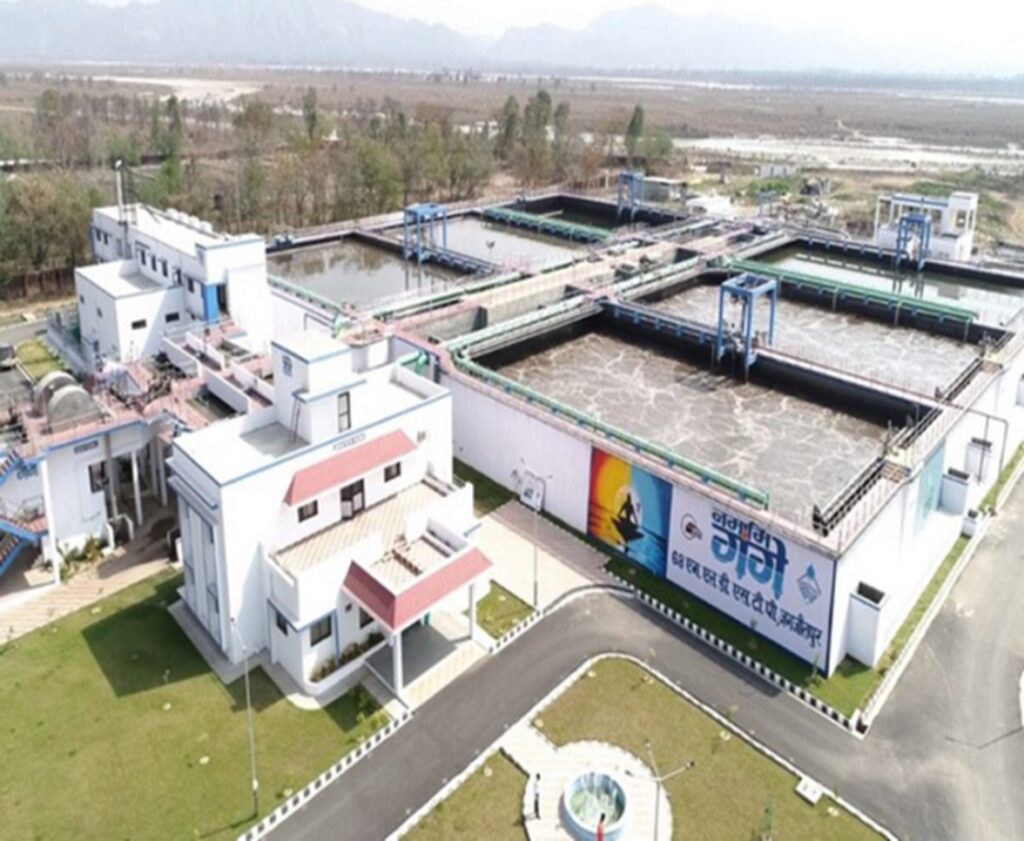
Swami Rama Himalayan University (SRHU) has been entrusted with conducting the Environmental and Social Audit of STPs and I&D projects under the Namami Gange Programme in nine locations across Haridwar, Tehri, Dehradun, and Nainital Districts. This initiative, sanctioned by the State Mission for Clean Ganga (SMCG), Government of Uttarakhand, aims to determine the environmental and social acceptability of these interventions while evaluating their impact on the local population and the river ecosystem.
The Ganga River, a lifeline for millions, is not just a waterway but a cultural and ecological cornerstone of India. Supporting 43% of the nation’s population and spanning 26% of its land, the Ganga River Basin is vital for water resources, biodiversity, and livelihoods. However, industrialization, population growth, and inadequate waste management have severely polluted this sacred river. To address this, the Government of India launched the Namami Gange Programme (NGP) in 2014, a flagship initiative to restore the river’s health, improve water quality, and promote sustainable development. A key component of this effort involves the establishment of Sewage Treatment Plants (STPs) and Interception & Diversion (I&D) works to manage wastewater and reduce pollution.
The primary objective of this Audit is to assess how these projects have influenced community living standards, health, sanitation, and hygiene. Additionally, it evaluates their impact on water quality, air quality, noise levels, and aquatic ecosystems. Ensuring that STPs adhere to sustainable design and operational standards is crucial for minimizing environmental risks and maximizing social benefits. Furthermore, identifying best practices and areas for improvement in environmental and social management is essential for long-term sustainability.
The audit follows a Structured Methodology, incorporating data collection, stakeholder consultations, and field assessments. During the preparation phase, checklists are developed for environmental and social evaluation, aligned with the Environmental and Social Management Framework (ESMF), CPCB guidelines, and national standards. Stakeholder consultations with local communities, workers, and Panchayat members provide valuable insights into the project’s impact and challenges.